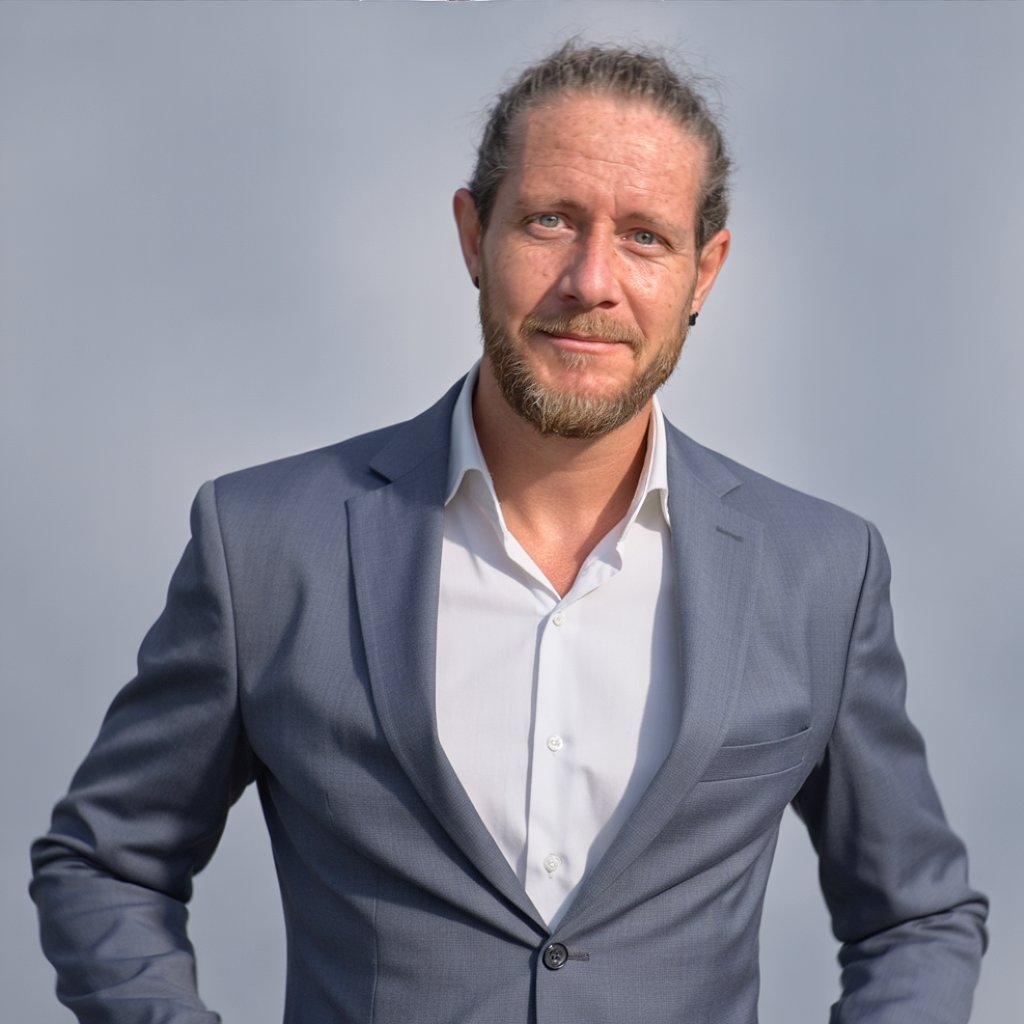
We didn't build The AI Crucible because AI was exciting. We built it because we kept watching businesses bolt new technology onto old, broken foundations and wondering why nothing changed. There is a better way to do this.
I have spent decades inside organisations, not as a consultant looking in from the outside, but as a leader responsible for making things actually work. I have managed teams, navigated growth, inherited broken processes, and watched good people waste enormous energy on systems that were never designed to scale.
When AI arrived, I saw most businesses make the same mistake they had always made: reach for a new tool before understanding the problem. The tool changed. The pattern didn't.
The AI Crucible was built on a single conviction: you cannot automate your way out of a design problem. Before any technology enters the picture, the business itself needs to make sense. Work needs to flow clearly. Decisions need to be grounded in reality. Teams need to understand their role in a system that is actually designed for them.
Only once that foundation exists does AI become what it was always meant to be, a genuine amplifier of human capability, not a mask for operational dysfunction.
I work with founders, executives, and leadership teams across industries who are serious about building something that will still be standing and leading when the next wave of technology arrives. That work starts with systems, not software.
"Most businesses don't have an AI problem. They have a systems problem. AI simply makes that problem impossible to ignore."Arno van Zyl - Founder, The AI Crucible
These aren't values on a wall. They are the filters through which every engagement, every recommendation, and every conversation gets made.
We will never recommend a tool, platform, or AI system before understanding whether the underlying process deserves to exist at all. Clarity comes before capability.
Systems exist to serve the people inside them. When redesign removes work, the goal is to free human attention for things that machines cannot do: judgment, creativity, and genuine care.
If your current systems are the problem, we will tell you plainly. Our value is in the truth of our diagnosis, not in making the conversation easy. Clarity, even when uncomfortable, is always in your best interest.
We measure success by what changes in your business, not by deliverables produced or hours billed. If the work doesn't translate to simpler operations and stronger results, it hasn't worked.
AI that exploits, deceives, or sidelines human judgment is not progress. Every implementation we recommend must serve people, sharpen decisions, and strengthen the organisation, not hollow it out.
The goal is never a flashy demo or a short-term win. We design systems that will still be working, adapting, and leading long after our engagement ends. Durability is the real measure of good design.
Every engagement follows the same sequence. Not because it is a formula, but because the sequence exists for a reason. Order matters more than most people realise.
We begin by mapping how work actually flows through your business, not how the org chart says it should, but how it really happens. We interview the people doing the work, trace decisions to their source, and document the gap between what leadership believes is happening and what is actually happening on the ground. This gap is almost always where the real problems live.
With a clear picture of reality, we begin challenging every process against a single question: does this work need to exist at all? You would be surprised how much of what keeps teams busy exists only because it always has. Eliminating this work permanently, before any technology enters the picture, is consistently where our clients find their largest early gains.
With unnecessary work removed, we rebuild the remaining systems intentionally, designed around the actual objectives of the business, the real capabilities of the team, and the future conditions the organisation needs to be ready for. This is not optimisation. It is architecture. The difference matters enormously when you start introducing AI.
Only now does technology enter the conversation. With clear systems, well-defined processes, and teams who understand their role in the redesigned operation, AI can do what it is actually capable of: accelerating good decisions, removing repetitive cognitive load, and creating space for the kind of high-value work that only humans can do. This is AI as an amplifier, not a substitute.
Years spent leading teams, managing complex operations, and navigating the real-world constraints that consulting firms rarely encounter from the inside. This is where the methodology was born, not in theory, but in practice.
When AI tools began reaching mainstream business, the same mistake emerged everywhere, technology layered onto broken foundations. The conviction formed: the tool was not the problem, and therefore the tool was not the answer.
The AI Crucible is established with a clear mandate: help businesses redesign their operational foundations before introducing AI. The Factory Floor Audit methodology is developed and refined through real client engagements.
Cape Town's premier peer advisory collective for AI professionals is co-founded, bringing together South Africa's leading AI consultants to collaborate, educate, and build a future-ready nation together.
The AI Crucible expands its product ecosystem with Guild AI, an agentic SaaS platform designed to give SME owners and founders the operational intelligence of an enterprise, without the enterprise overhead.
Start with a free Factory Floor Audit call. No templates, no generic advice. A real conversation about how work flows through your business and what a redesigned operation could look like.